


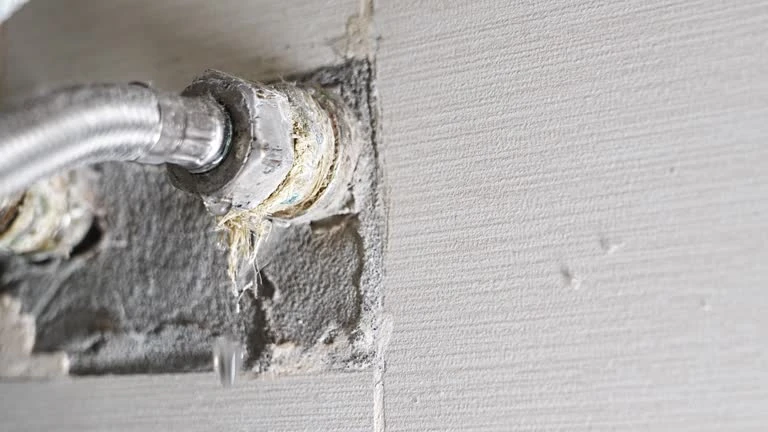
Flexible hoses play a vital role in various industries, offering reliable solutions for transporting fluids, gases, and other substances. Their performance greatly depends on the connection methods used. The right connections ensure leak-free performance, secure installations, and long-lasting functionality. Understanding the common connection methods for flexible hoses allows users to select the most suitable options for their applications. This article explores popular connection techniques, their features, and their benefits in various scenarios.
Threaded Connections
Threaded connections provide one of the most common ways to attach flexible hoses. Manufacturers design hose ends and fittings with corresponding threads, allowing users to screw them together. Threaded connections work well in systems with moderate pressure requirements.
These connections use materials like brass, stainless steel, or other metals to ensure durability. Technicians often add sealing elements, such as PTFE tape or thread sealant, to prevent leaks. Threaded connections are easy to assemble and disassemble, making them ideal for applications requiring frequent maintenance.
Quick-Connect Couplings
Quick-connect couplings simplify the process of attaching and detaching flexible hoses. These couplings typically include a push-and-lock mechanism that provides a secure and leak-free connection. Operators simply push the hose fitting into the coupling, where it locks into place.
Quick-connect systems save time during installation and maintenance. These couplings are often used in industries where efficiency and speed are critical, such as pneumatic systems, automotive repairs, or chemical transfers. By offering simplicity and reliability, quick-connect couplings enhance the overall functionality of flexible hoses.
Compression Fittings
Compression fittings offer a secure and versatile method for connecting flexible hoses. These fittings use a compression ring or ferrule that tightens around the hose when the fitting nut is tightened. The compression process creates a strong seal that prevents leaks.
Compression fittings are commonly used in plumbing and hydraulic systems. They work with hoses made from various materials, including PVC, rubber, and metal. This connection method provides high reliability under varying pressure conditions, ensuring consistent performance in demanding applications.
Barbed Fittings with Clamps
Barbed fittings provide another effective way to connect flexible hoses. These fittings feature ridges or barbs along their shaft, allowing them to grip the interior of the hose securely. After sliding the hose onto the barbed fitting, users apply a hose clamp to lock it in place.
This method suits low- to medium-pressure applications and works well with rubber and PVC hoses. Barbed fittings with clamps ensure a tight seal and are easy to install. Their affordability and effectiveness make them a popular choice in residential, agricultural, and industrial setups.
Flanged Connections
Flanged connections provide robust solutions for large-diameter hoses used in high-pressure applications. In this method, the hose ends are fitted with flanges, which are then bolted to corresponding flanges on pipes or equipment.
Flanged connections excel in applications requiring maximum strength and durability, such as water distribution, oil and gas systems, and chemical plants. Gaskets are often added between flanges to enhance sealing and prevent leaks. While flanged connections require precise alignment, they ensure reliable performance under demanding conditions.
Camlock Couplings
Camlock couplings, also known as cam and groove couplings, offer a fast and efficient way to connect flexible hoses. Users insert the male adapter into the female coupling and lock it in place using cam arms.
These couplings handle liquids, gases, and powders, making them highly versatile. Camlock systems allow quick installation without tools, reducing downtime during maintenance or system reconfiguration. Their widespread use in industries such as agriculture, construction, and petroleum highlights their reliability.
Swaged and Crimped Fittings
Swaged and crimped fittings provide permanent connections for flexible hoses. In these methods, machines compress the fitting onto the hose, creating a tight, leak-free seal. These connections excel in high-pressure applications where reliability is essential.
Hydraulic systems and industrial equipment commonly use swaged and crimped fittings. This connection method ensures maximum strength and prevents hose slippage during operation. Although it requires specialized tools, the resulting connection delivers unmatched performance.
Push-to-Connect Fittings
Push-to-connect fittings simplify the connection process for flexible hoses. Users push the hose into the fitting until it locks securely in place. The fitting design ensures an airtight seal, making it suitable for pneumatic and low-pressure systems.
Push-to-connect fittings save time and reduce the need for tools. Their straightforward design appeals to industries where quick installations and adjustments are necessary, such as manufacturing and automation.
Welded Connections
Welded connections offer permanent attachment methods for metal flexible hoses. Technicians weld the hose ends directly to fittings or equipment, creating a seamless connection.
This method suits high-pressure and high-temperature applications, such as steam systems or chemical processing plants. Welded connections ensure maximum strength and reliability. Although they require skilled labor and specialized equipment, their durability justifies the effort.
Choosing the Right Connection Method
Selecting the right connection method depends on several factors, including the application, operating conditions, and hose material. Users should consider pressure ratings, temperature ranges, and the type of fluids or gases involved. Compatibility between the hose and fitting materials also plays a crucial role in ensuring a reliable connection.
Cost and ease of maintenance influence the choice as well. For applications requiring frequent disassembly, quick-connect couplings or threaded fittings may work best. In contrast, high-pressure systems often benefit from swaged or welded connections.
Importance of Proper Installation
Proper installation is essential for maintaining the performance and safety of flexible hose connections. Technicians should follow manufacturer guidelines to ensure the connections withstand operational demands. Regular inspection and maintenance also help identify wear and tear, preventing failures and costly downtime.
Conclusion
Flexible hose connections play a critical role in the performance and reliability of industrial systems. Various connection methods, including threaded fittings, quick-connect couplings, and flanged connections, offer unique advantages for specific applications. By understanding the features and benefits of each method, users can make informed decisions to ensure optimal performance and longevity. Whether for plumbing, automotive, or industrial use, flexible hoses and their connections remain indispensable tools across countless industries.
IFAN international standard
IFAN standards include a range of international certifications and specifications such as ASTM 2846, DIN 8079/8080, ASTM F441/F441M SCH80, DIN, GB/T 18993 series, AS/NZS 1477, CSA B137.6, NSF/ANSI 14, and TIS 17-2532/1131-2535, among others. These standards ensure the quality, safety, and reliability of products, aligning with global manufacturing and performance requirements. By adhering to these standards, IFAN guarantees that its products meet rigorous industry benchmarks, ensuring customer satisfaction and compliance with regulatory guidelines across various regions.
Contact
IFAN is a professional manufacturer with of experience, dedicated to producing high-quality plastic pipes, fittings, and valves. Our products include brass valves, PPR valves, as well as various pipes and fittings to meet different customer needs. Whether you need plumbing and drainage pipes or valve products, IFAN can provide a diverse range of high-quality, cost-effective products to support your projects. Below is our contact information.
We will reply your email or fax within 24 hours.
You can call us at any time if there is any question on our production.
For more information,pls visit our webside https://www.ifanplus.com/
Pls Mailto: [email protected]
Whatsapp: + 86 19857948982























