


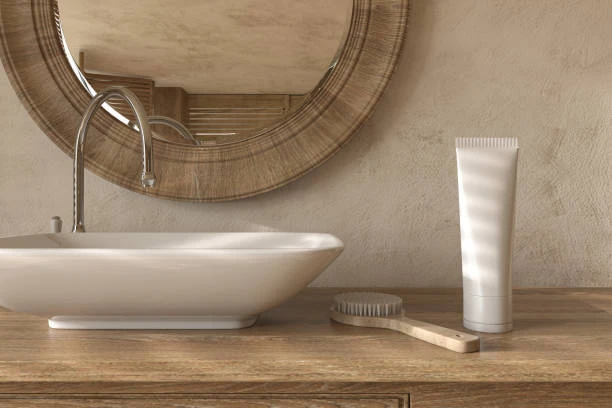
The size of a wash basin is a key factor in determining its overall cost. Whether you’re selecting a small, compact basin for a powder room or a large, luxurious basin for a master bathroom, the size plays a major role in the price. From the material used to the installation process, the size of a wash basin impacts many aspects of both the product and the installation process. In this article, we will explore how different basin sizes influence the cost, helping homeowners and builders make informed decisions when choosing a wash basin.
1. Material Usage of Wash Basin Cost
The size of a wash basin directly impacts the amount of material needed for its construction. Larger basins require more raw materials, whether it’s ceramic, porcelain, stone, or other materials. The more material used, the higher the production costs will be. For example:
- Small Basins: A small wash basin uses less material, which means the cost of production will be lower. Materials like ceramic or porcelain are often less expensive, and smaller basins require fewer raw resources.
- Large Basins: Larger basins use more materials, which increases production costs. Stone or marble basins, in particular, may see a significant increase in price with larger sizes due to the greater amount of raw stone required. Luxury materials like granite or onyx will also incur higher costs as the size increases.
The size also affects the design complexity. Larger basins can accommodate intricate designs and additional features like integrated countertops or decorative elements, which add to the overall material cost.
2. Manufacturing and Labor Costs
The manufacturing process and the labor required to create a wash basin are influenced by its size. Larger basins may require specialized molds, longer drying times, and additional finishing processes. Here’s how:
- Small Basins: Smaller basins are generally quicker and easier to produce. They require less labor to shape, mold, and finish, which reduces labor costs. The overall manufacturing time is shorter, making smaller basins more cost-effective.
- Large Basins: Larger basins often need more advanced techniques, such as cutting, shaping, and polishing, particularly if they are made from stone or marble. This increased complexity requires more labor, which raises manufacturing costs. Additionally, more specialized machinery or molds might be necessary for larger basins, further driving up production costs.
The more intricate the design, the more skilled labor is needed, which further impacts the final cost. Large, custom-designed basins may require artisans to shape the basin by hand, adding to both labor and material costs.
3. Shipping and Handling Costs
Shipping and handling costs can be a significant factor in the overall price of a wash basin, particularly for larger models. Larger basins are heavier and more cumbersome to transport, which results in higher shipping costs. The larger the basin, the more space it takes up during transportation, leading to increased costs for delivery, especially if the basin is made from heavy materials like stone or marble.
- Small Basins: Smaller basins are easier and cheaper to ship. They are less prone to damage during transport and require less packaging, keeping shipping costs low. These basins also take up less space in a truck, which means more products can be shipped at once, further reducing the per-unit shipping cost.
- Large Basins: Larger basins require more extensive packaging to protect them during transit, especially if they are made from delicate or fragile materials. Additionally, because they are bulkier and heavier, the shipping costs rise. Some manufacturers may even charge a premium for delivering oversized basins.
In some cases, local sourcing or opting for more compact models can help offset these shipping expenses, making smaller basins a more cost-effective option for certain customers.
4. Installation Costs
The size of the basin also influences the installation costs. Larger basins may require more time, effort, and skill to install, especially if they are heavier or require specific modifications to fit the bathroom’s layout. Here’s how:
- Small Basins: Smaller wash basins are typically easier and faster to install. They may require fewer adjustments to the plumbing, and their lighter weight makes them easier to handle. A straightforward installation process means that labor costs remain relatively low for smaller basins.
- Large Basins: Larger wash basins often require more complex installation procedures. Heavy basins, especially those made from stone or marble, can be difficult to handle, requiring more labor during installation. Additionally, if the bathroom layout needs to be adjusted to accommodate a larger basin, such as rerouting plumbing or reinforcing walls, installation costs can increase. Larger basins also demand more precise positioning, ensuring that they are stable and secure, which may increase labor time.
Moreover, countertop basins, which are typically larger, may need a custom-built vanity to support the extra weight. These vanities often need to be more robust, and this added customization will contribute to higher installation costs.
5. Aesthetic Appeal and Demand
Size can influence the aesthetic appeal of the basin and, therefore, its market demand. Larger basins often create a more dramatic focal point in a bathroom, which can increase their desirability. However, this may also affect the cost in the following ways:
- Small Basins: Smaller basins often cater to specific needs, such as powder rooms or guest bathrooms, where space is limited. These basins can be more affordable due to the less intricate design and smaller size, making them appealing for budget-conscious customers.
- Large Basins: Larger basins, particularly those with unique designs, materials, or customizations, tend to have higher demand in high-end markets. Luxury materials such as natural stone, glass, or high-end ceramics, combined with larger sizes, can create a more premium product, thus increasing the price. Homeowners seeking a luxurious or expansive bathroom design may opt for larger wash basins, driving the price up.
For designers and builders, the size of the basin can also influence the overall design and style of the bathroom, which may affect the choice of additional fixtures, finishes, and accessories. Larger wash basins often necessitate more space around them, requiring additional adjustments to other bathroom elements, such as mirrors, countertops, and storage.
6. Space Considerations
The size of the wash basin can be influenced by the space available in the bathroom. Smaller bathrooms or powder rooms may require compact basins, which typically come at a lower cost. Larger bathrooms, however, allow for the installation of larger, more luxurious basins, which tend to be more expensive.
- Small Basins: Compact basins are often chosen for smaller spaces, such as guest bathrooms or powder rooms, where maximizing space is essential. The compact size typically means the basin is less expensive, as it requires fewer materials and simpler installation. These basins are ideal for people who need a functional wash basin but don’t want to occupy too much space.
- Large Basins: Larger basins often work well in more spacious bathrooms, where they can serve as a striking design feature. These basins are ideal for creating a high-impact look but tend to increase the overall cost due to the amount of space they occupy, the additional materials needed, and the complexity of installation.
7. Long-Term Cost Efficiency
While larger wash basins may seem like an unnecessary expense upfront, they may offer long-term benefits that offset the initial cost. A larger basin can be more versatile, serving multiple users and offering more space for tasks like washing hands, brushing teeth, or even washing delicate items. The size of the basin can also affect water consumption, with larger basins often being more efficient in handling water usage for larger households.
- Small Basins: Smaller wash basins are ideal for limited spaces and can be cost-effective for those who do not need extensive functionality from their basins. However, they may not be as versatile in terms of size or usage, limiting their long-term value for some users.
- Large Basins: Larger basins provide greater flexibility and can serve multiple functions in a bathroom. Over time, this extra utility can justify the initial higher cost.
IFAN international standard for Wash Basins
IFAN standards include a range of international certifications and specifications such as ASTM 2846, DIN 8079/8080, ASTM F441/F441M SCH80, DIN, GB/T 18993 series, AS/NZS 1477, CSA B137.6, NSF/ANSI 14, and TIS 17-2532/1131-2535, among others. These standards ensure the quality, safety, and reliability of products, aligning with global manufacturing and performance requirements. By adhering to these standards, IFAN guarantees that its products meet rigorous industry benchmarks, ensuring customer satisfaction and compliance with regulatory guidelines across various regions.
Conclusion
The size of a wash basin has a direct and significant impact on its cost. Larger basins generally incur higher production, material, labor, shipping, and installation costs, while smaller basins tend to be more affordable and easier to install. Homeowners and builders should carefully consider the space available, the intended usage, and the overall bathroom design when choosing a wash basin. Understanding how size affects the total cost will help customers make more informed decisions, balancing their budget with their aesthetic and functional needs.
Contact
IFAN is a professional manufacturer with of experience, dedicated to producing high-quality plastic pipes, fittings, and valves. Our products include brass valves, PPR valves, as well as various pipes and fittings to meet different customer needs. Whether you need plumbing and drainage pipes or valve products, IFAN can provide a diverse range of high-quality, cost-effective products to support your projects. Below is our contact information.
We will reply your email or fax within 24 hours.
You can call us at any time if there is any question on our production.
For more information,pls visit our webside https://www.ifanplus.com/
Pls Mailto: [email protected]
Whatsapp: + 86 19857948982























