


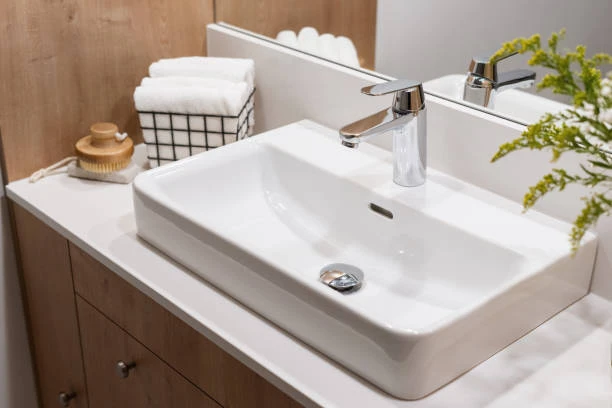
Wash basins are essential fixtures in every bathroom, offering a reliable space for various tasks like washing hands, brushing teeth, and face washing. Given their frequent use, it’s crucial that wash basins remain durable and resistant to wear and tear over time. A wash basin’s durability is determined by several factors, including the materials used, the design, and the maintenance practices. This article explores the durability of wash basins, highlighting key factors that contribute to their longevity and performance.
Material Selection
The material chosen for a wash basin plays a significant role in determining its durability. Different materials offer varying degrees of resistance to impacts, scratches, stains, and water damage. The most common materials used for wash basins include ceramic, porcelain, stone, glass, and stainless steel. Each of these materials offers unique benefits and challenges in terms of durability.
Ceramic and Porcelain
Ceramic and porcelain are the most widely used materials for wash basins because they combine affordability, durability, and ease of maintenance. These materials undergo high-temperature firing, creating a smooth, non-porous surface that resists stains and water damage. With proper care, ceramic and porcelain wash basins remain durable and last for many years.
Although these materials resist scratching and chipping, they can still break under severe impacts, such as dropping heavy objects. However, when installed correctly and not subjected to excessive force, the basin typically remains durable and functional for a long time.
Stone
Natural stone materials, like granite, marble, and limestone, offer exceptional durability. These materials are incredibly tough and can withstand years of use without cracking or wearing down. Stone wash basins are also highly resistant to scratches and stains, making them an excellent choice for durability. However, they require more care and maintenance than ceramic or porcelain options due to their susceptibility to etching from acidic substances like lemon juice or vinegar.
Proper sealing and regular cleaning can significantly improve the longevity of stone wash basins. Despite their higher price point, stone wash basins are an investment in durability and aesthetic appeal, adding a touch of elegance to the bathroom.
Glass
Glass wash basins are known for their modern aesthetic and unique appearance. While glass is durable and resistant to staining, it is more prone to chipping and cracking compared to stone or ceramic. High-quality tempered glass can withstand everyday use, but it’s essential to avoid dropping heavy items into the basin to prevent damage.
Glass wash basins are relatively easy to clean, as their smooth surface resists staining from soap and water. However, glass basins require more attention to avoid scratches and chips that may affect their appearance and structural integrity over time.
Stainless Steel
Stainless steel wash basins are known for their exceptional durability and resistance to corrosion, staining, and rust. These basins are commonly used in commercial and industrial settings due to their strength and ability to withstand heavy-duty use. Stainless steel wash basins are resistant to impacts and can endure the rigors of high-traffic bathrooms.
While stainless steel basins can be prone to scratching over time, they are relatively easy to maintain. Regular cleaning with non-abrasive cleaners will help maintain the basin’s finish and prevent any long-term damage.
Design and Construction
The design and construction of a wash basin also influence its overall durability. The construction process ensures the basin’s strength, resistance to damage, and long-term usability. Wash basins are often crafted with careful attention to detail to ensure they withstand daily wear and tear.
Reinforced Construction
Wash basins that are reinforced with additional layers of material, such as a ceramic basin with a steel core, offer enhanced durability. Reinforced basins are less prone to cracking or breaking under pressure, ensuring that the basin can endure more significant impacts without structural damage. Many modern wash basins are also designed with thicker rims and reinforced undersides to provide extra support and stability.
Edge Treatment
The edges of a wash basin are another critical factor in determining its durability. Basins with smooth, rounded edges are less likely to chip or crack over time. Additionally, the treatment of the edges can prevent water from seeping into cracks, which can cause long-term damage or mold growth. Wash basins with properly finished edges tend to have a longer lifespan, especially in high-traffic areas.
Resistance to Water Damage
Wash basins are exposed to water on a daily basis, making their resistance to water damage a key factor in their durability. Some materials are more resistant to water penetration, preventing issues like mold, mildew, and warping.
Porcelain and Ceramic
Both porcelain and ceramic are non-porous, meaning water cannot seep into the surface. This resistance helps prevent water damage, mold, and mildew growth, ensuring the wash basin remains hygienic and durable. These materials are highly resistant to water stains, making them ideal for bathroom settings where water exposure is constant.
Stone and Glass
Stone basins need to be resealed periodically to ensure that water does not penetrate the surface, which could lead to staining or weakening of the material. Similarly, glass basins should be regularly cleaned to prevent water spots and mineral build-up.
Stainless Steel
Stainless steel is naturally resistant to rust and corrosion, making it highly durable in water-heavy environments. As long as the basin is properly cleaned and maintained, it can withstand constant water exposure without showing signs of wear. However, stainless steel basins can sometimes develop water spots or soap scum if not cleaned regularly.
Maintenance and Care
The longevity and durability of a wash basin are also affected by how well it is maintained. Proper cleaning and care can prevent damage and extend the life of the basin.
Routine Cleaning
Regular cleaning is essential for maintaining a wash basin’s durability. Using mild, non-abrasive cleaning agents can prevent scratches and damage to the surface. Harsh chemicals, such as bleach or acidic cleaners, can degrade certain materials over time, particularly in stone or ceramic basins. For glass basins, using a gentle glass cleaner helps maintain the clarity and shine of the surface.
Preventing Scratches and Chips
Scratches and chips are often the result of rough usage or impact. To prevent damage, avoid dropping heavy objects into the basin and use a soft cloth or sponge to clean it. For materials like stainless steel, using non-abrasive scrubbers ensures the surface remains free from scratches.
Regular Sealing
Certain materials, like natural stone, benefit from regular sealing to maintain their durability. Sealing helps protect the surface from staining, water damage, and wear. Most stone wash basins require resealing every 12 to 18 months, depending on the level of use and exposure to water.
Best Wash Basin Manufacturers
| Company Name | Headquarter/Location | Year Founded |
| IFAN | ZhuJi,China | 1993 |
| Celanese Corporation | Irving, Texas, in the United States | 1921 |
| Dow | Midland, Michigan, in the United States | 1897 |
| JM Eagle | Livingston, New Jersey | 1982 |
| Cresline Plastic Pipe Co inc | Mechanicsburg, Pennsylvania, Council Bluffs, Iowa, Corsicana, Texas | 1949 |
IFAN international standard for Wash Basin
IFAN standards include a range of international certifications and specifications such as ASTM 2846, DIN 8079/8080, ASTM F441/F441M SCH80, DIN, GB/T 18993 series, AS/NZS 1477, CSA B137.6, NSF/ANSI 14, and TIS 17-2532/1131-2535, among others. These standards ensure the quality, safety, and reliability of products, aligning with global manufacturing and performance requirements. By adhering to these standards, IFAN guarantees that its products meet rigorous industry benchmarks, ensuring customer satisfaction and compliance with regulatory guidelines across various regions.
Conclusion
A wash basin’s durability depends on the materials, construction, design, and maintenance. Ceramic, porcelain, stone, glass, and stainless steel offer various levels of durability suited to different needs and preferences. The right wash basin for a specific bathroom should be selected based on its material’s durability, the type of usage it will endure, and the maintenance efforts that users are willing to commit to.
Investing in a high-quality, durable wash basin ensures long-term reliability and performance, contributing to a functional and attractive bathroom. By considering material selection, maintenance practices, and proper care, a wash basin can remain in excellent condition for many years, making it a worthwhile addition to any home or commercial space.
Contact
IFAN is a professional manufacturer with of experience, dedicated to producing high-quality plastic pipes, fittings, and valves. Our products include brass valves, PPR valves, as well as various pipes and fittings to meet different customer needs. Whether you need plumbing and drainage pipes or valve products, IFAN can provide a diverse range of high-quality, cost-effective products to support your projects. Below is our contact information.
We will reply your email or fax within 24 hours.
You can call us at any time if there is any question on our production.
For more information,pls visit our webside https://www.ifanplus.com/
Pls Mailto: [email protected]
Whatsapp: + 86 19857948982























