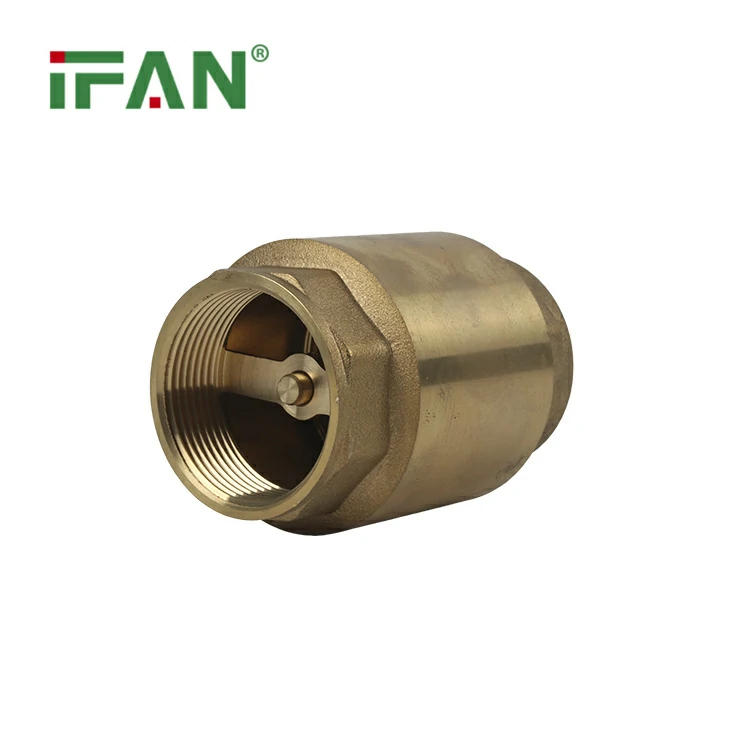
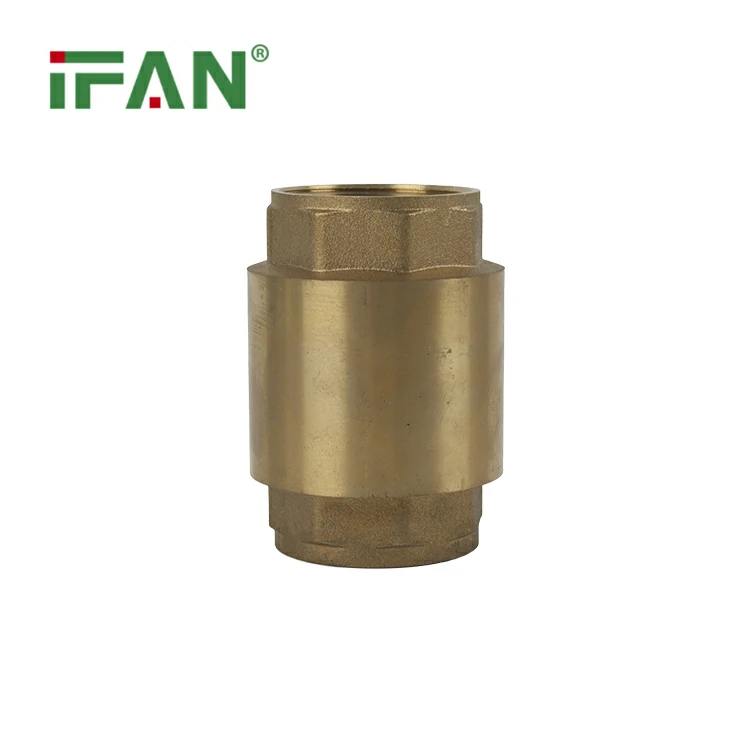
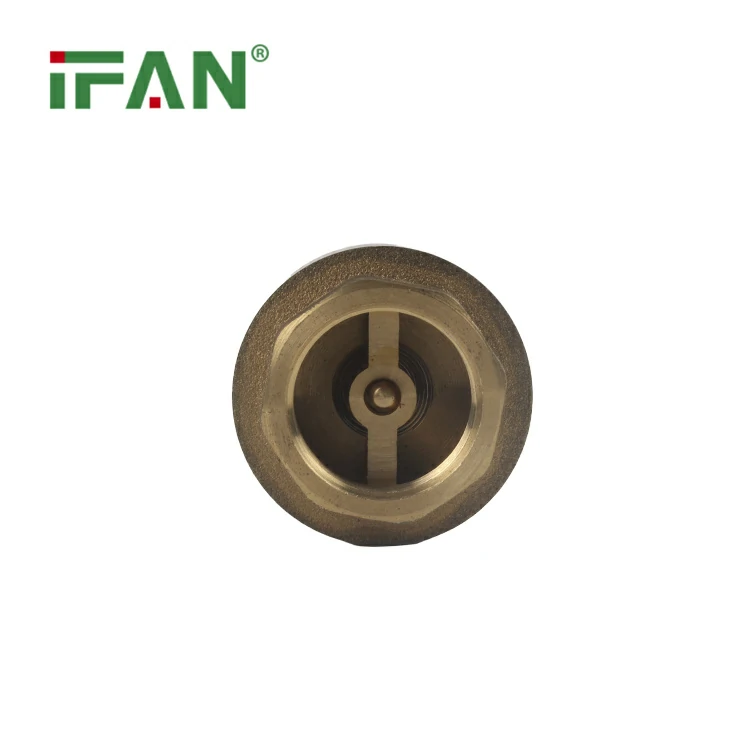
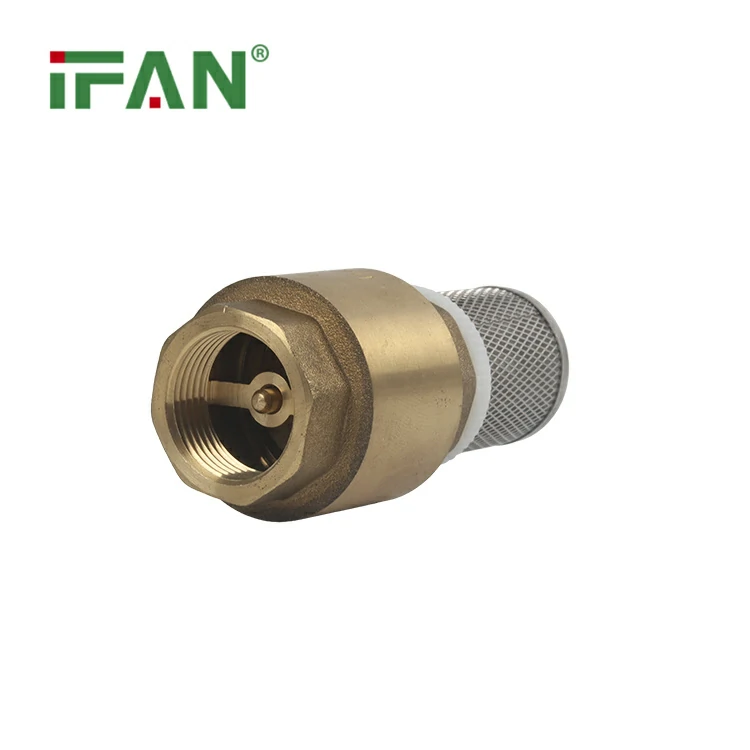
Related products
-
-
Sale!
-
Sale!
-
Sale!
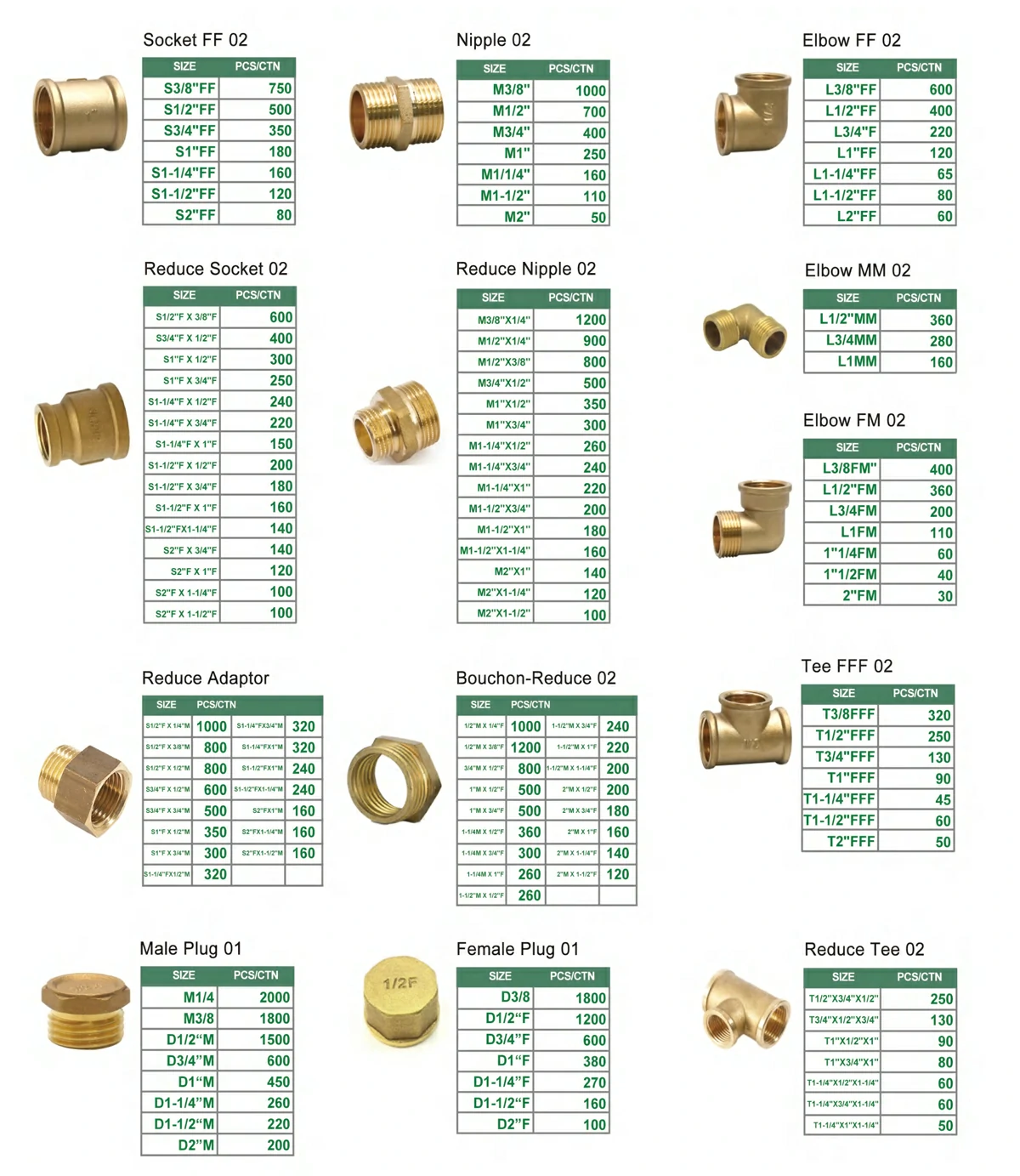
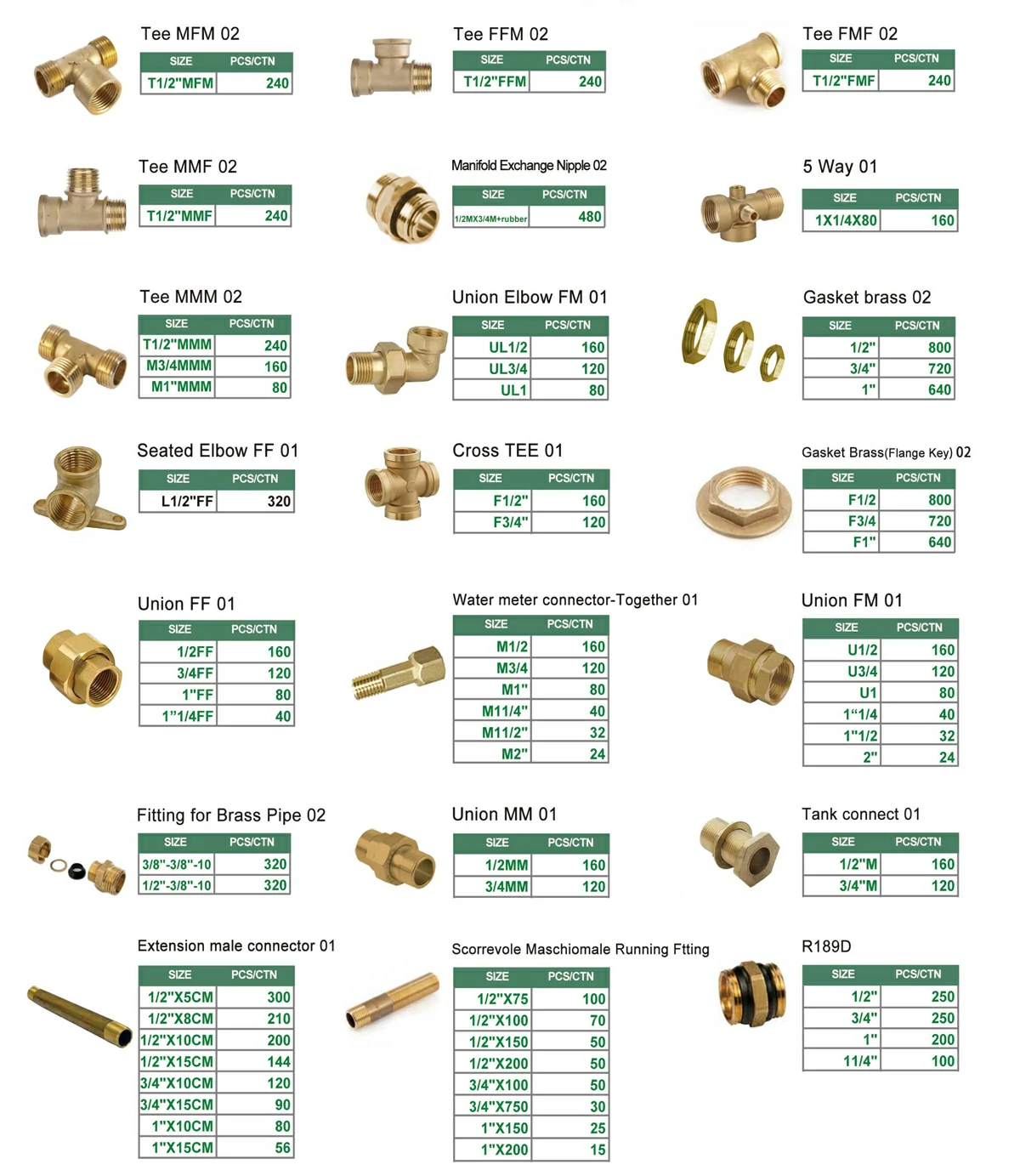
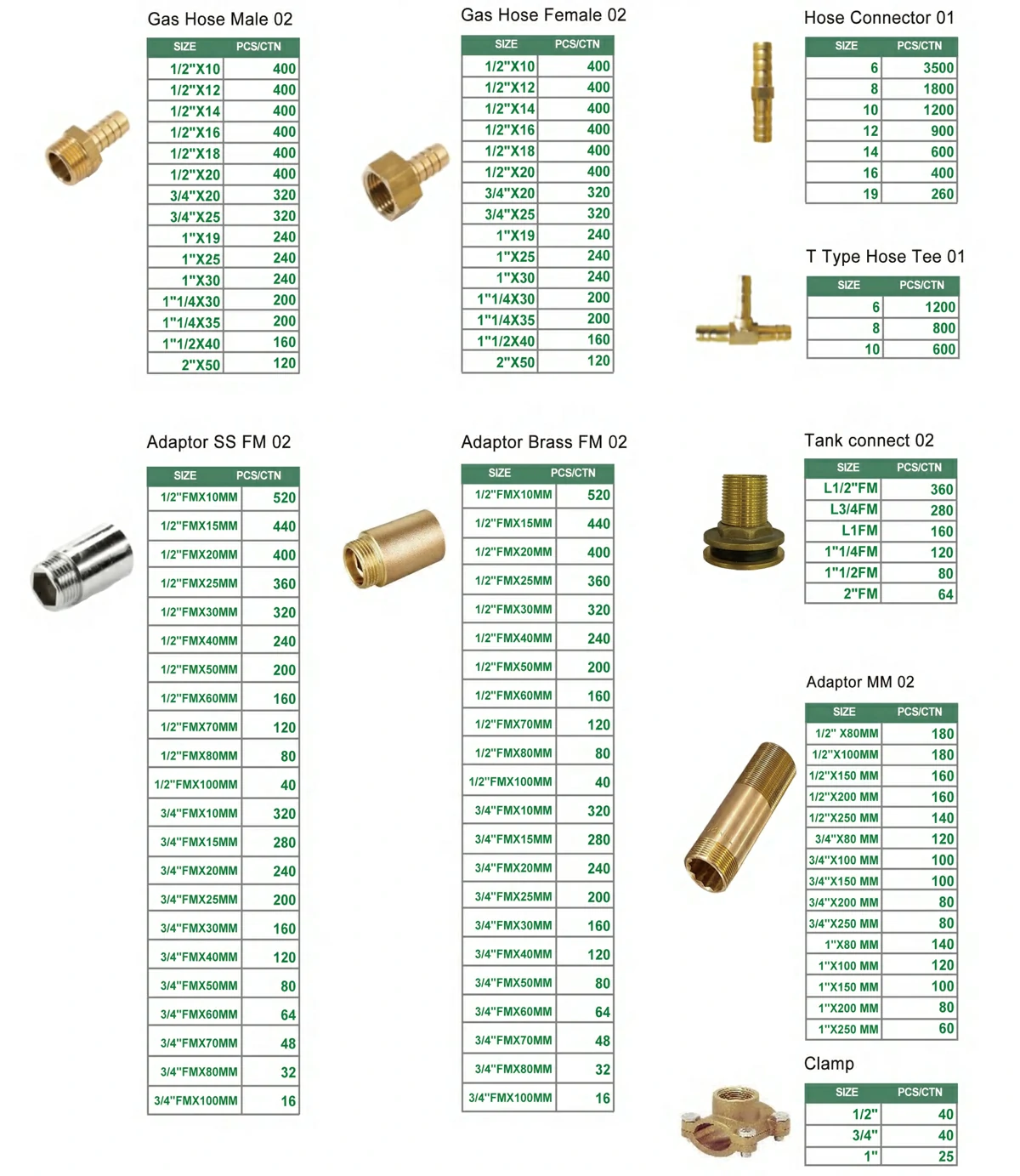
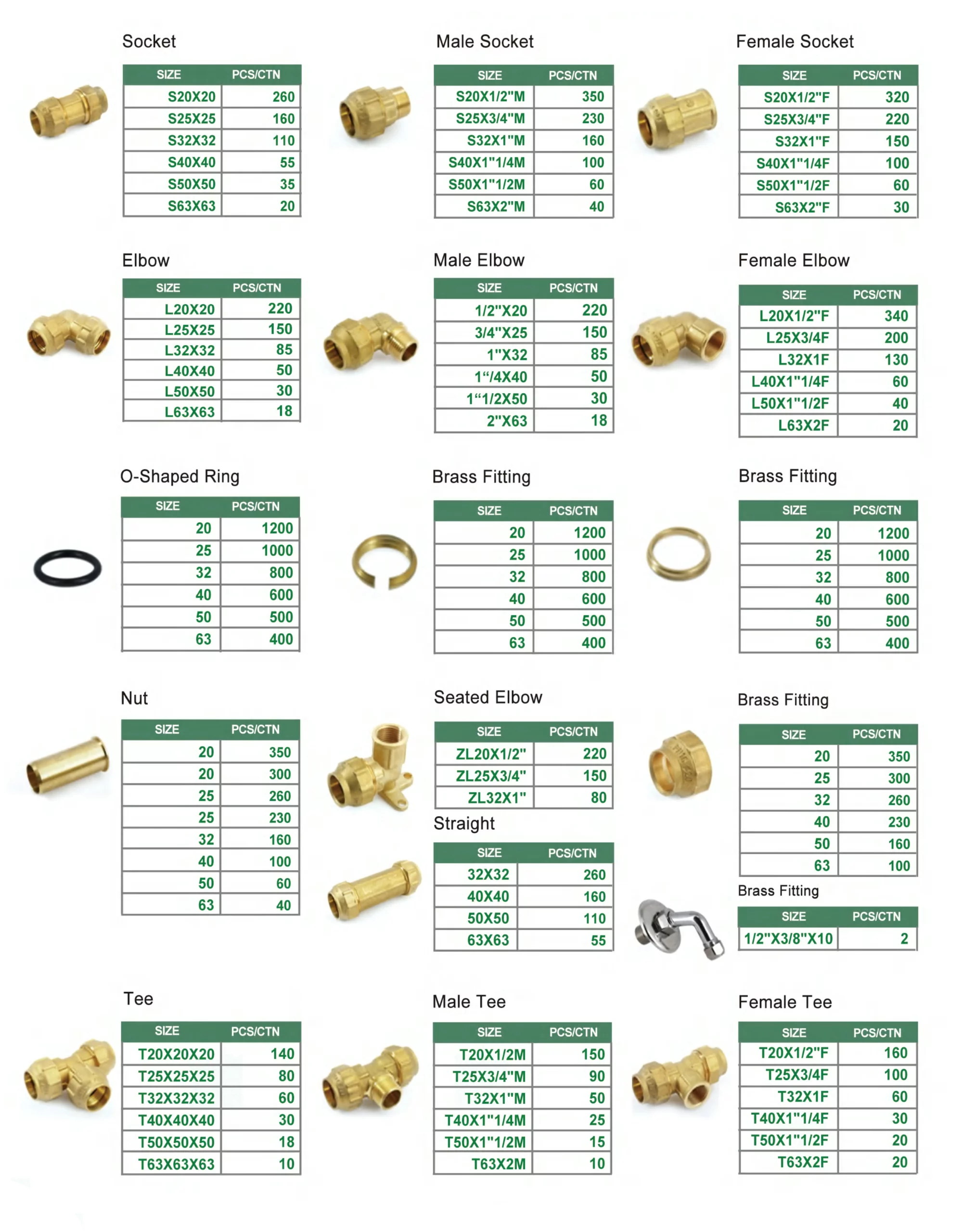
Prodcuts Description
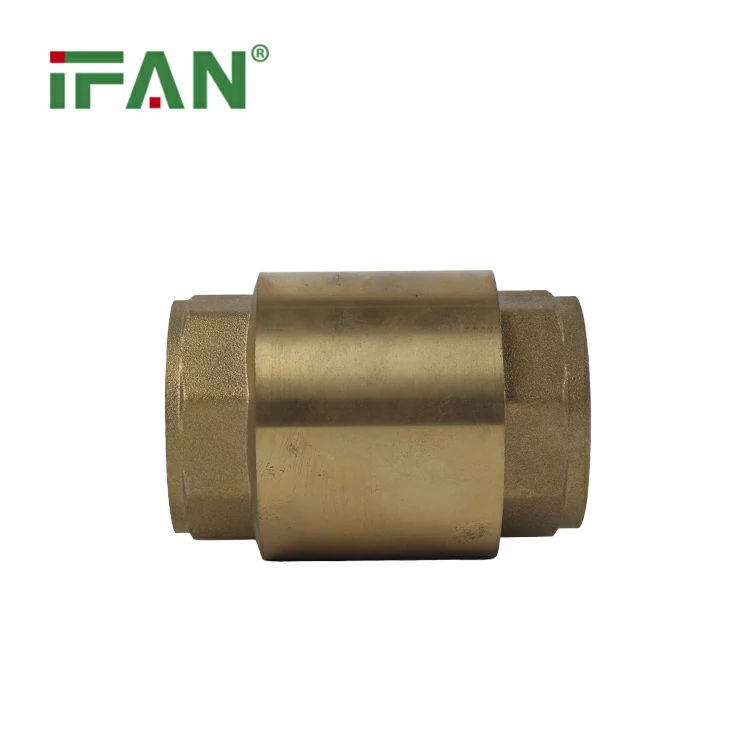
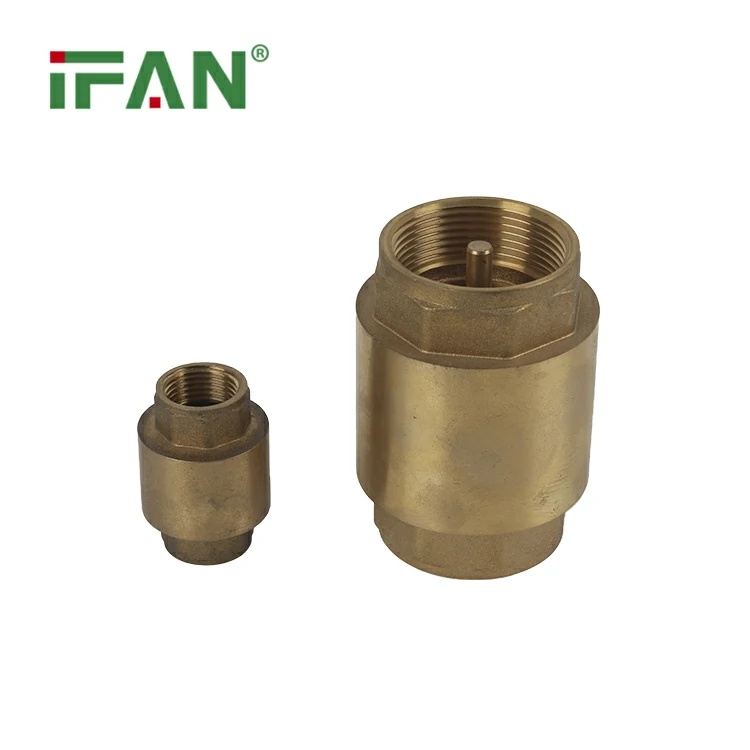
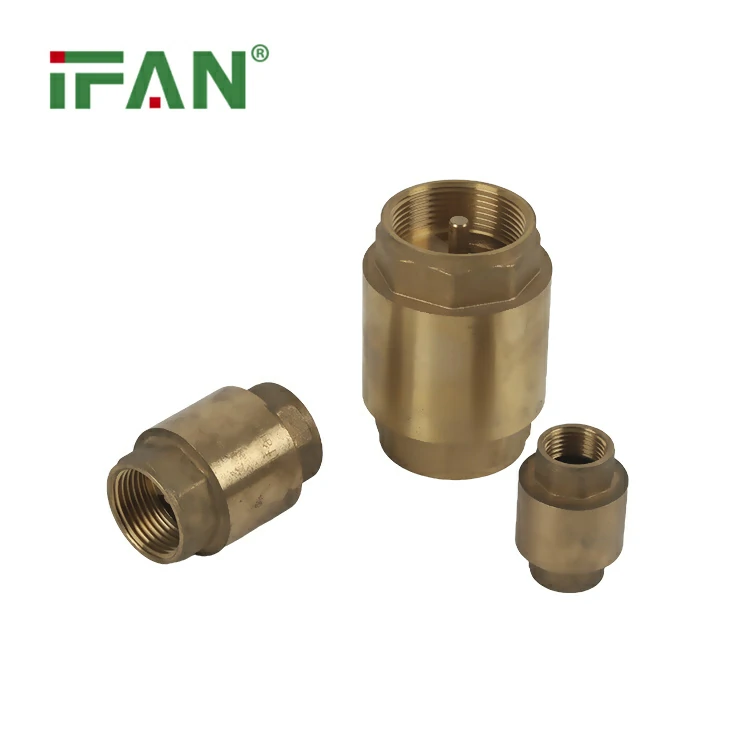
Products Image
Products Charts
Prodcuts Description
Introduction to Maintaining Brass Check Valves
Brass check valve play a vital role in ensuring the smooth operation of piping systems. Regular maintenance and proper care enhance their longevity and efficiency. This guide provides essential tips for maintaining and caring for Brass check valves.Importance of Regular Inspection
Conduct regular inspections to identify potential issues early. Check the valve for signs of wear, corrosion, or damage. Regular inspections prevent minor problems from becoming major failures.Cleaning the Valve
Keep the valve clean to ensure proper operation. Remove any debris, dirt, or buildup around the valve and its components. Use appropriate cleaning agents that do not damage the Brass material.Checking for Leaks
Check for leaks around the valve body and connections. Tighten any loose connections and replace damaged gaskets or seals. Address leaks promptly to prevent water loss and system damage.Lubricating Moving Parts
Lubricate the moving parts of the valve to reduce friction and wear. Use a suitable lubricant that is compatible with Brass. Regular lubrication ensures smooth operation and extends the valve’s lifespan.Replacing Worn Components
Replace worn or damaged components immediately. Inspect the disc, seat, and spring for signs of wear. Using high-quality replacement parts maintains the valve’s performance and reliability.Ensuring Proper Alignment
Ensure the valve is properly aligned with the piping system. Misalignment can cause undue stress and lead to premature wear. Correct alignment ensures efficient operation and reduces the risk of leaks.Testing Valve Operation
Test the valve operation periodically to ensure it functions correctly. Open and close the valve to check for smooth movement. Testing helps identify issues that may affect the valve’s performance.Monitoring System Pressure
Monitor the system pressure regularly. Excessive pressure can damage the valve and other system components. Ensure the pressure remains within the recommended range for optimal valve operation.Protecting from Corrosion
Protect the valve from corrosion by applying a suitable anti-corrosion coating. Ensure the surrounding environment does not expose the valve to corrosive elements. Proper protection extends the valve’s service life.Flushing the System
Flush the piping system periodically to remove debris and sediment. Flushing helps maintain clean and efficient operation of the valve and the entire system. Schedule flushing as part of regular maintenance routines.Keeping Records
Maintain detailed records of all maintenance activities. Record inspection dates, findings, repairs, and replacements. Keeping records helps track the valve’s condition and schedule future maintenance.Using Quality Parts
Use high-quality parts and materials for repairs and replacements. Inferior parts can compromise the valve’s performance and longevity. Quality parts ensure reliable operation and reduce the need for frequent repairs.Avoiding Over-Tightening
Avoid over-tightening connections during installation and maintenance. Over-tightening can damage the valve and its components. Use the recommended torque specifications to ensure secure and safe connections.Educating Maintenance Personnel
Educate maintenance personnel on proper valve maintenance techniques. Ensure they understand the importance of regular inspections and proper care. Well-trained personnel contribute to the valve’s long-term reliability.Addressing Issues Promptly
Address any issues or abnormalities promptly. Ignoring problems can lead to severe damage and costly repairs. Timely intervention keeps the valve and system functioning efficiently.Planning Preventive Maintenance
Implement a preventive maintenance schedule to keep the valve in top condition. Regular maintenance prevents unexpected failures and extends the valve’s lifespan. Plan and execute preventive maintenance tasks systematically.Considering Environmental Factors
Consider environmental factors that may affect the valve. Extreme temperatures, humidity, and corrosive environments can impact the valve’s performance. Take appropriate measures to mitigate environmental effects.Conclusion
Maintaining Brass check valve involves regular inspections, cleaning, and timely replacements. Proper care ensures efficient operation and extends the valve’s lifespan. Following these maintenance tips helps achieve reliable performance and prevents costly failures. Keep Brass check valves in top condition through diligent maintenance and proactive care.Introduction to Maintaining Brass Check Valves
Brass check valve play a vital role in ensuring the smooth operation of piping systems. Regular maintenance and proper care enhance their longevity and efficiency. This guide provides essential tips for maintaining and caring for Brass check valves.Importance of Regular Inspection
Conduct regular inspections to identify potential issues early. Check the valve for signs of wear, corrosion, or damage. Regular inspections prevent minor problems from becoming major failures.Cleaning the Valve
Keep the valve clean to ensure proper operation. Remove any debris, dirt, or buildup around the valve and its components. Use appropriate cleaning agents that do not damage the Brass material.Checking for Leaks
Check for leaks around the valve body and connections. Tighten any loose connections and replace damaged gaskets or seals. Address leaks promptly to prevent water loss and system damage.Lubricating Moving Parts
Lubricate the moving parts of the valve to reduce friction and wear. Use a suitable lubricant that is compatible with Brass. Regular lubrication ensures smooth operation and extends the valve’s lifespan.Replacing Worn Components
Replace worn or damaged components immediately. Inspect the disc, seat, and spring for signs of wear. Using high-quality replacement parts maintains the valve’s performance and reliability.Ensuring Proper Alignment
Ensure the valve is properly aligned with the piping system. Misalignment can cause undue stress and lead to premature wear. Correct alignment ensures efficient operation and reduces the risk of leaks.Testing Valve Operation
Test the valve operation periodically to ensure it functions correctly. Open and close the valve to check for smooth movement. Testing helps identify issues that may affect the valve’s performance.Monitoring System Pressure
Monitor the system pressure regularly. Excessive pressure can damage the valve and other system components. Ensure the pressure remains within the recommended range for optimal valve operation.Protecting from Corrosion
Protect the valve from corrosion by applying a suitable anti-corrosion coating. Ensure the surrounding environment does not expose the valve to corrosive elements. Proper protection extends the valve’s service life.Flushing the System
Flush the piping system periodically to remove debris and sediment. Flushing helps maintain clean and efficient operation of the valve and the entire system. Schedule flushing as part of regular maintenance routines.Keeping Records
Maintain detailed records of all maintenance activities. Record inspection dates, findings, repairs, and replacements. Keeping records helps track the valve’s condition and schedule future maintenance.Using Quality Parts
Use high-quality parts and materials for repairs and replacements. Inferior parts can compromise the valve’s performance and longevity. Quality parts ensure reliable operation and reduce the need for frequent repairs.Avoiding Over-Tightening
Avoid over-tightening connections during installation and maintenance. Over-tightening can damage the valve and its components. Use the recommended torque specifications to ensure secure and safe connections.Educating Maintenance Personnel
Educate maintenance personnel on proper valve maintenance techniques. Ensure they understand the importance of regular inspections and proper care. Well-trained personnel contribute to the valve’s long-term reliability.Addressing Issues Promptly
Address any issues or abnormalities promptly. Ignoring problems can lead to severe damage and costly repairs. Timely intervention keeps the valve and system functioning efficiently.Planning Preventive Maintenance
Implement a preventive maintenance schedule to keep the valve in top condition. Regular maintenance prevents unexpected failures and extends the valve’s lifespan. Plan and execute preventive maintenance tasks systematically.Considering Environmental Factors
Consider environmental factors that may affect the valve. Extreme temperatures, humidity, and corrosive environments can impact the valve’s performance. Take appropriate measures to mitigate environmental effects.Conclusion
Maintaining Brass check valve involves regular inspections, cleaning, and timely replacements. Proper care ensures efficient operation and extends the valve’s lifespan. Following these maintenance tips helps achieve reliable performance and prevents costly failures. Keep Brass check valves in top condition through diligent maintenance and proactive careContact
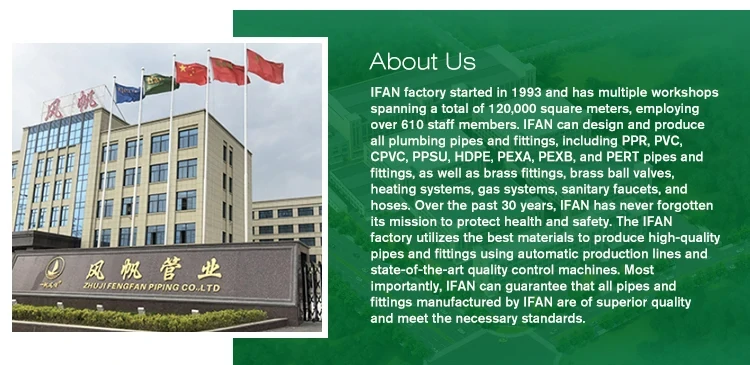
With of experience, IFAN is a specialist manufacturer specializing in the production of high quality plastic fittings, fittings and valves. Our products cover copper valves, PPR valves and various fitting and fittingxs to meet different customer needs. No matter what your needs are for plumbing or valves, IFAN offers a wide range of cost-effective products to support your project. Below is our contact information, this is our Whatsapp: + 86 19857948982,Email:[email protected]
Products Image





Products Charts