Related products
-
 Plastic Industry
IFAN Cheap Price PPR Fittings Double Elbow chuangrong
-
Sale!
 Plastic Industry
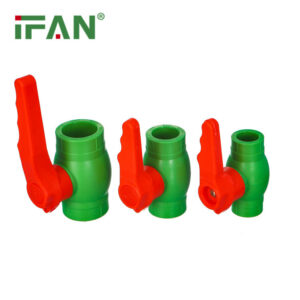
IFAN OEM ODM PPR Fitting PPR Ball Valve chuangrong
-
Sale!

-
 Plastic Industry
IFAN Custom Good Quality PPR Fittings Cross chuangrong
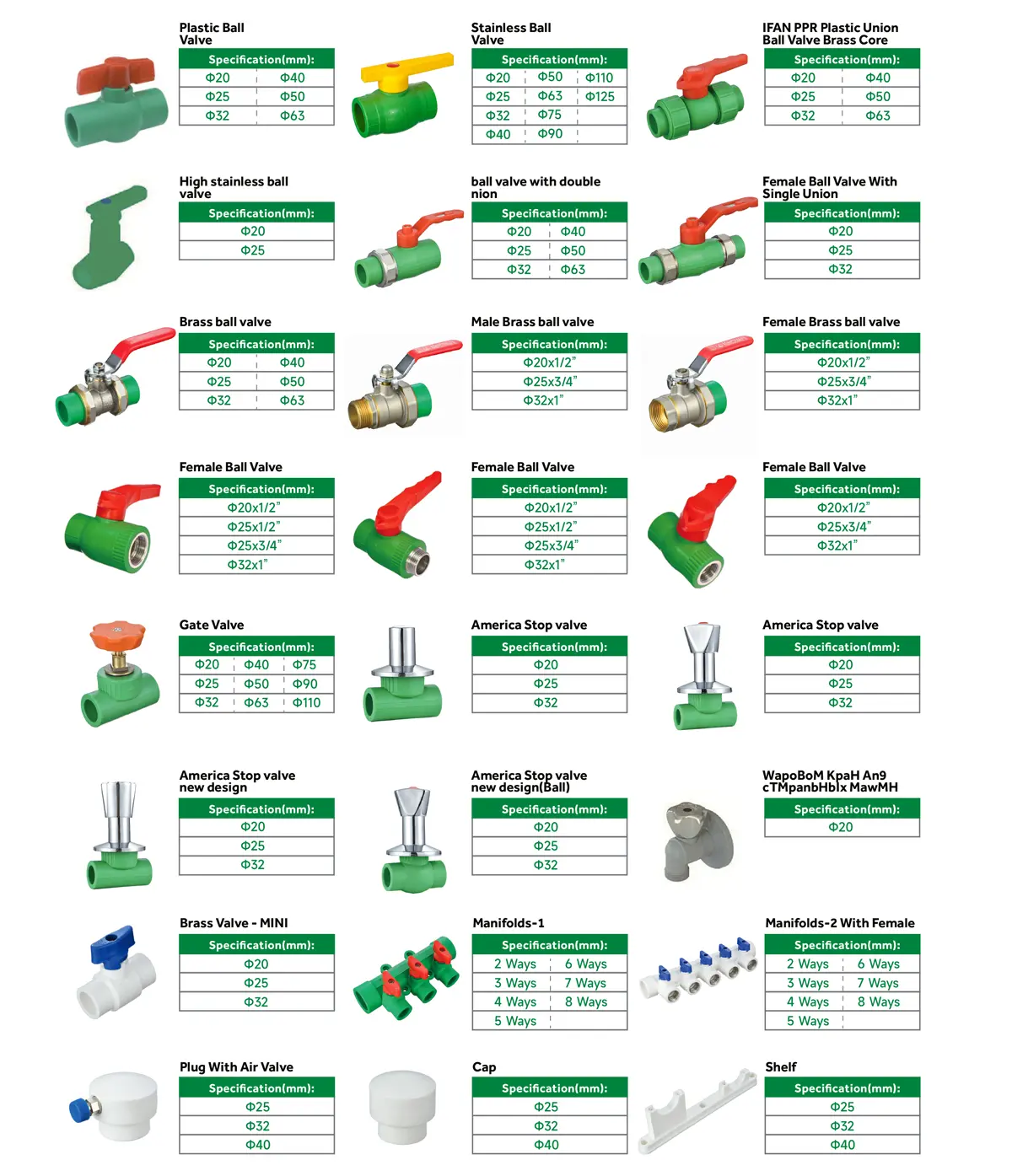
PPR (Polypropylene Random Copolymer) pipeline fittings have become a popular choice in modern piping systems due to their resistance to high temperatures, chemical stability, and long-lasting performance. Among these fittings, PPR pipeline fittings valves play a crucial role in controlling fluid flow, ensuring efficient and reliable operation across different applications. This article explores the various industries and systems where PPR valves are applied, focusing on their performance, versatility, and advantages.
1. PPR Pipeline Fittings Valve in Water Supply Systems
Water supply systems benefit greatly from the use of PPR pipeline fittings valves. These valves control water flow, regulate pressure, and prevent backflow in both residential and commercial systems. Whether in homes, offices, or large buildings, PPR valves ensure that water reaches its destination without leaks or interruptions. They are particularly useful for controlling the distribution of water in complex plumbing systems.
The resistance of PPR material to corrosion and scale buildup makes these valves ideal for systems that handle cold and hot water. In addition, PPR valves help optimize water flow, ensuring efficient distribution and minimal water wastage. These valves are easy to install and maintain, making them a preferred choice for modern water supply systems.
2. PPR Pipeline Fittings Valve in Hot Water Systems
In hot water systems, PPR pipeline fittings valves perform exceptionally well due to the material’s ability to withstand high temperatures. These valves control the flow of hot water throughout the system, ensuring that it reaches various outlets such as radiators, showers, and faucets. PPR valves maintain their integrity even when exposed to water temperatures ranging from 70°C to 95°C, which is typical in many heating systems.
PPR valves also prevent thermal expansion, which can cause damage to other materials. They help maintain stable water pressure, even in systems that generate high heat. These valves are particularly useful in underfloor heating systems, hot water circulation systems, and central heating networks. Their resistance to thermal degradation makes them ideal for high-temperature applications, providing long-term reliability.
3. PPR Pipeline Fittings Valve in Plumbing Systems
Plumbing systems rely heavily on PPR pipeline fittings valves to regulate water flow and ensure efficient operation. These valves are used in various plumbing applications, including water supply lines, drainage systems, and gas distribution networks. The PPR valve is used to shut off water when necessary, allowing for repairs, maintenance, or control over water flow to specific areas of the building.
In plumbing systems, PPR valves are especially popular due to their resistance to corrosion and scaling. Unlike metal valves, which can rust over time, PPR valves maintain their performance over the long term without requiring frequent replacements. These valves also prevent leakage and reduce the chances of water damage in homes or buildings.
4. PPR Pipeline Fittings Valve in Heating Systems
PPR pipeline fittings valves are frequently used in heating systems to control the flow of water or heating fluid throughout the system. In both residential and commercial heating systems, these valves manage the circulation of hot water in underfloor heating, radiators, and other heating components. PPR valves allow for precise temperature control and help maintain consistent heat distribution.
PPR valves are ideal for heating systems because they do not degrade under high temperatures. They provide excellent thermal insulation, ensuring that the system operates efficiently. Furthermore, PPR valves have high resistance to pressure changes, which can occur in closed-loop heating systems. These characteristics make PPR valves an excellent choice for managing the complexities of modern heating systems.
5. PPR Pipeline Fittings Valve in Irrigation Systems
In irrigation systems, PPR pipeline fittings valves play a vital role in regulating the flow of water across agricultural fields, gardens, and landscapes. These valves allow farmers and landscapers to control the water supply to different zones, ensuring that each area receives the appropriate amount of water. By using PPR valves, irrigation systems can operate efficiently, reducing water wastage and promoting sustainable practices.
PPR valves are resistant to UV radiation, corrosion, and chemical degradation, which are common issues in outdoor irrigation systems. They also handle high water pressures, ensuring that the system performs effectively over extended periods. PPR valves contribute to the durability and reliability of irrigation systems, reducing maintenance costs and improving overall water management.
6. PPR Pipeline Fittings Valve in Chemical and Industrial Applications
In chemical and industrial applications, PPR pipeline fittings valves are used to control the flow of various fluids, gases, and chemicals. These valves play a crucial role in controlling the transfer of substances in manufacturing processes, including food and beverage production, pharmaceuticals, and petrochemical industries. The resistance of PPR material to aggressive chemicals makes these valves ideal for handling hazardous substances in industrial environments.
PPR valves provide a cost-effective and reliable solution for managing fluid flow in industrial systems. They prevent leaks, ensuring that the system operates efficiently and safely. Additionally, these valves are lightweight and easy to install, which reduces the time and cost associated with system setup. Their chemical resistance allows them to maintain performance in harsh environments, ensuring long-term functionality.
7. PPR Pipeline Fittings Valve in Fire Protection Systems
Fire protection systems depend on valves to control the flow of water or fire-retardant liquids. PPR pipeline fittings valves are commonly used in these systems to regulate the water supply for sprinklers, hydrants, and other fire suppression components. These valves ensure that the system functions reliably when needed most, providing immediate access to water in the event of a fire.
The resistance of PPR material to high temperatures makes these valves particularly suited for fire protection applications. They can withstand the extreme conditions typically found in fire suppression systems. PPR valves also provide superior sealing performance, ensuring that water remains contained within the system until activated. Their ease of installation and long lifespan make them an excellent choice for fire protection applications.
8. PPR Pipeline Fittings Valve in HVAC Systems
In heating, ventilation, and air conditioning (HVAC) systems, PPR pipeline fittings valves are used to control the flow of fluids, such as water or refrigerants. These valves ensure the efficient operation of HVAC systems by directing fluids to the necessary components, such as air handling units or cooling coils. PPR valves help maintain consistent fluid temperatures and pressures, optimizing the system’s performance.
The ability of PPR valves to resist corrosion, high temperatures, and pressure changes makes them suitable for HVAC applications. These valves maintain efficiency in demanding conditions and help extend the service life of HVAC systems. Additionally, their lightweight design and ease of installation make them a cost-effective solution for managing fluid flow within HVAC networks.
9. PPR Pipeline Fittings Valve in Compressed Air Systems
Compressed air systems require reliable valve control to manage the flow of air to various tools and machines. PPR pipeline fittings valves are used in these systems to regulate air pressure and ensure efficient operation. These valves help maintain consistent airflow to pneumatic devices, preventing damage to the system and ensuring that tools operate optimally.
PPR valves are resistant to the pressures and conditions typically found in compressed air systems. Their durability ensures long-lasting performance, reducing the need for frequent replacements. PPR valves also reduce the risk of leaks, which can compromise system efficiency. These characteristics make PPR valves ideal for compressed air applications across a variety of industries.
10. PPR Pipeline Fittings Valve in Solar and Renewable Energy Systems
PPR pipeline fittings valves are essential in solar and renewable energy systems, particularly in solar thermal systems. These valves control the flow of heat transfer fluids between solar collectors, storage tanks, and other components. By regulating the fluid flow, PPR valves help maintain the optimal temperature and pressure for efficient energy production.
PPR valves are ideal for use in renewable energy systems due to their resistance to high temperatures and pressures. They help prevent thermal degradation and ensure long-term reliability in solar systems. PPR valves also offer excellent sealing performance, reducing the risk of leaks and improving the overall efficiency of renewable energy applications.
11. PPR Pipeline Fittings Valve in Marine and Offshore Applications
Marine and offshore environments require highly durable and corrosion-resistant valves to handle fluids and gases in challenging conditions. PPR pipeline fittings valves are used in these systems to manage the flow of various substances, including water, oil, and gas. The resistance of PPR material to saltwater corrosion makes these valves ideal for marine and offshore applications.
In these environments, PPR valves help prevent leakage and ensure the safe transfer of fluids. Their lightweight nature makes them easier to handle and install in confined spaces. The ability of PPR valves to maintain performance under extreme conditions ensures that marine and offshore systems remain operational, even in harsh environments.
Conclusion
PPR pipeline fittings valves play an essential role in a wide range of applications, from water supply and plumbing systems to industrial, HVAC, and renewable energy systems. Their resistance to high temperatures, corrosion, and chemical degradation makes them ideal for managing fluid flow in diverse environments. Whether in residential, commercial, or industrial settings, PPR valves offer reliable, cost-effective solutions for fluid control. Their versatility, durability, and ease of installation ensure that PPR pipeline fittings valves will continue to be a critical component in modern piping systems for years to come.
Contact